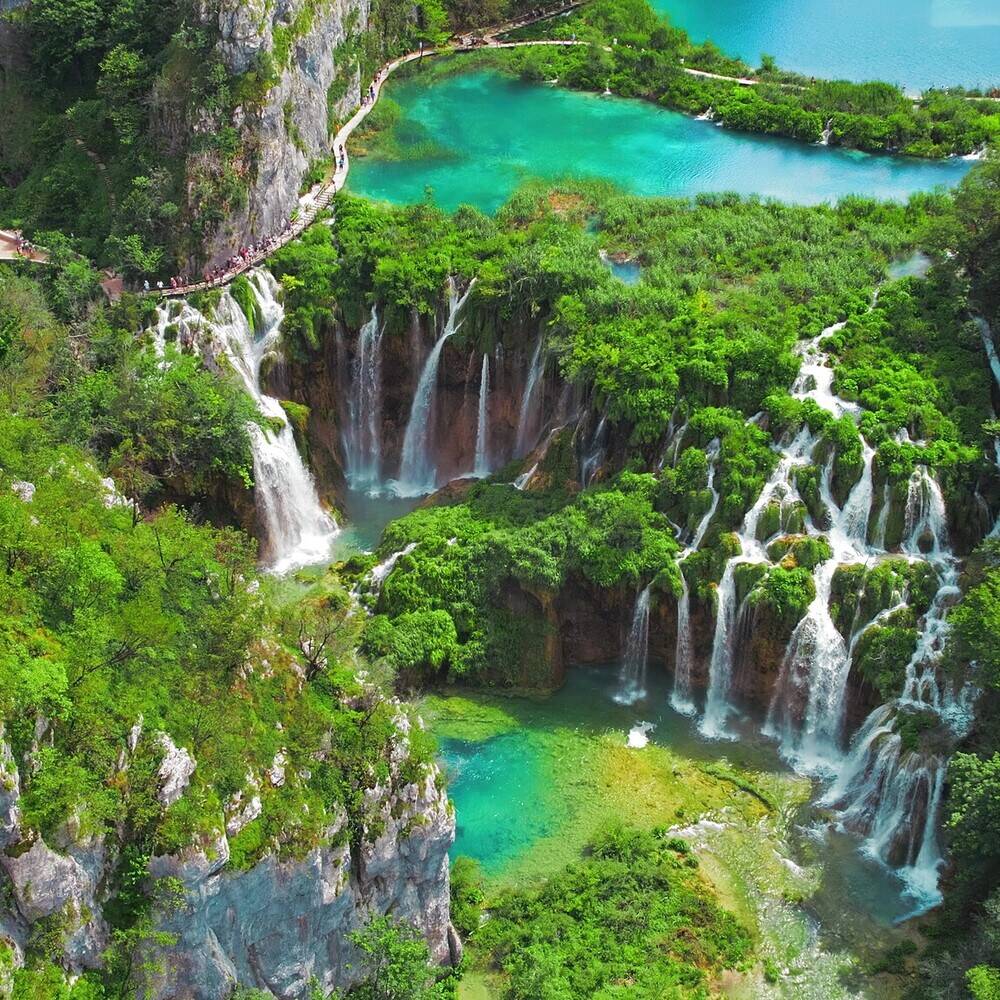
Iceland Holidays
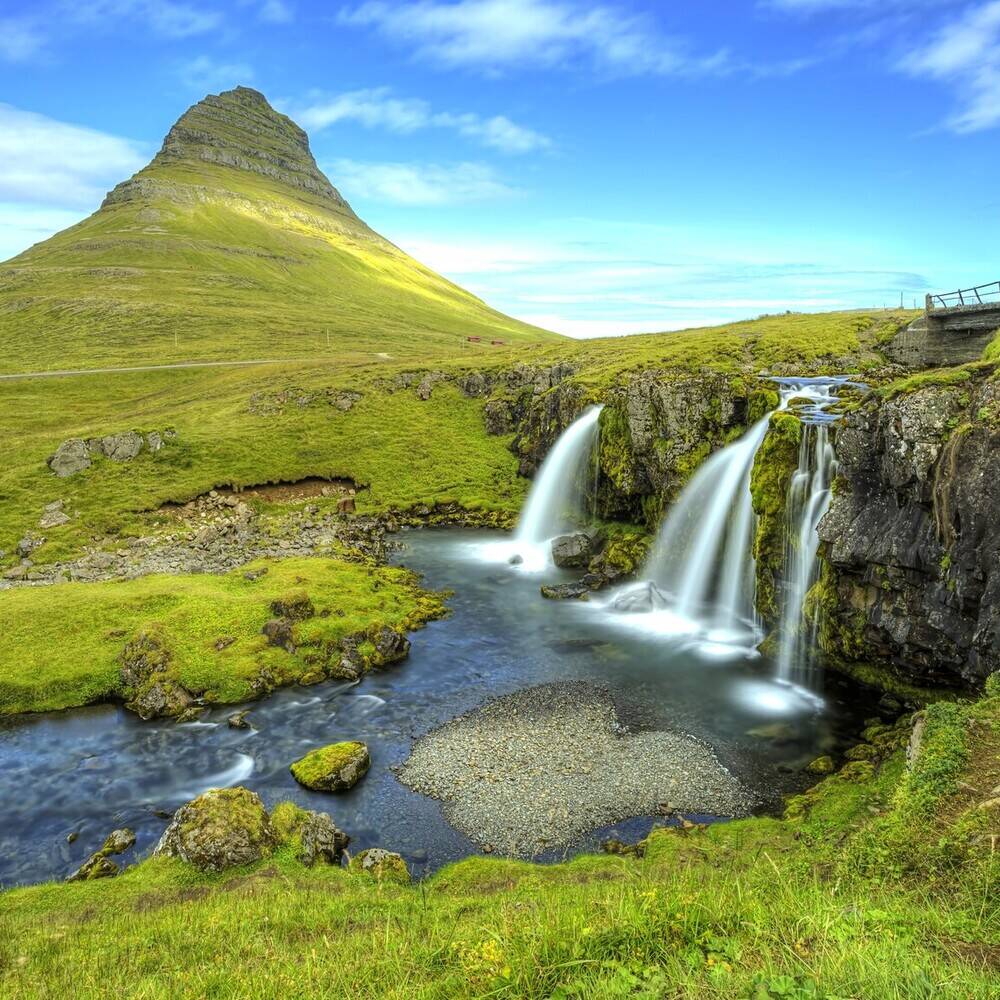
Flexible Payments
Free cancellation on most hotels
Why Iceland?
Iceland is a land of stunning natural beauty, featuring dramatic landscapes of glaciers, geysers, hot springs, and lava fields. The unique geology and breathtaking scenery make it a paradise for nature lovers and adventure seekers. Additionally, the rich Viking history and culture provide a fascinating backdrop for visitors. The opportunity to witness the Northern Lights in winter and the Midnight Sun in summer adds to its allure. Iceland's commitment to sustainability and eco-tourism also attracts those interested in responsible travel. With friendly locals and a vibrant arts scene, Iceland offers a unique blend of adventure, culture, and relaxation that is hard to find elsewhere.
Key Info
Handy things to know before you go
Languages
Icelandic, English, and others
Fun Facts
Iceland has more than 130 volcanoes, making it one of the most geologically active places on Earth!
Currency
Icelandic Króna
Local time
Iceland is 0 hours ahead of England.
Top places in Iceland
Best places to go on holidays in Iceland
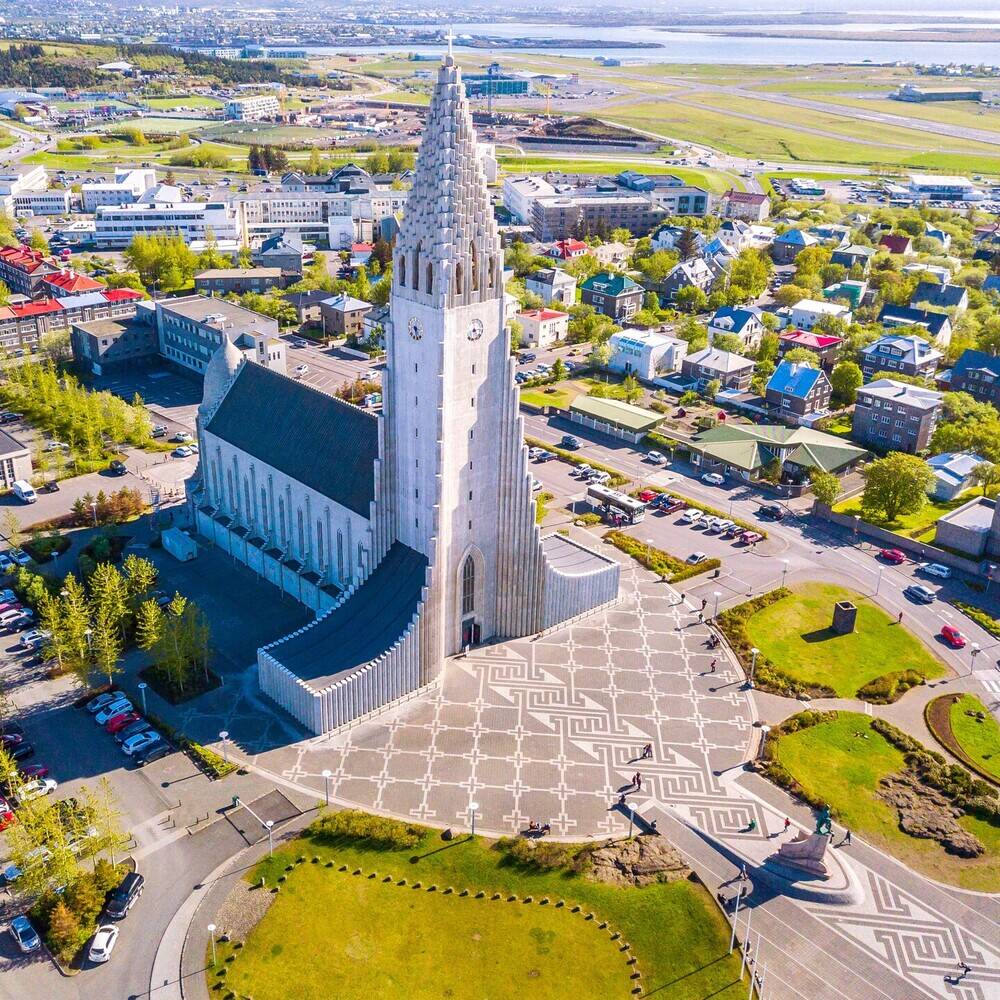
Hotels in Iceland
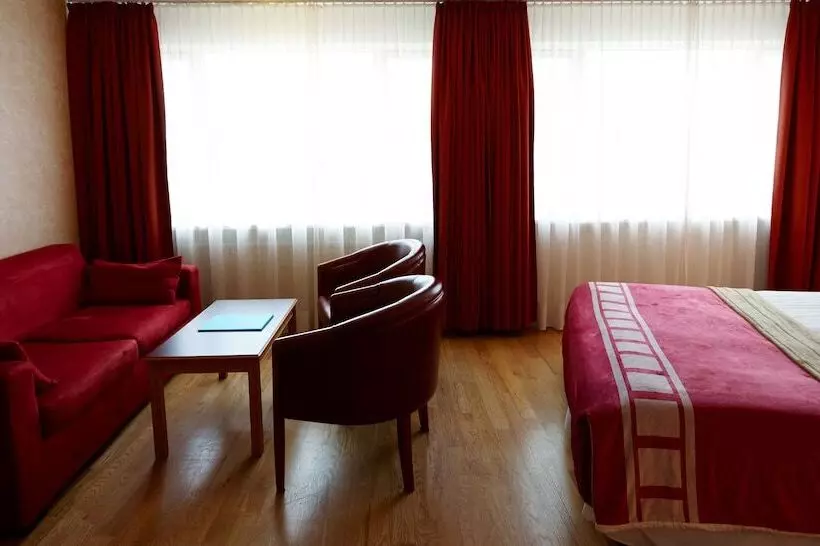
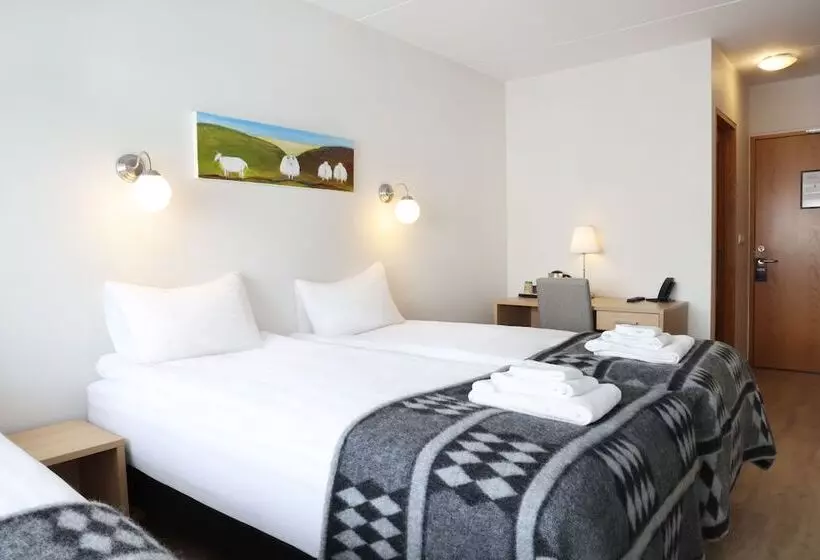
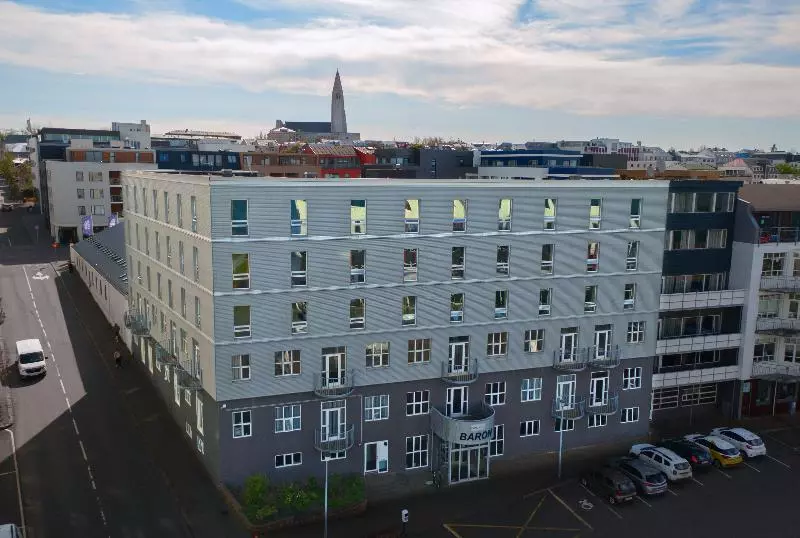
Browse a cracking selection of the most popular hotels in Iceland
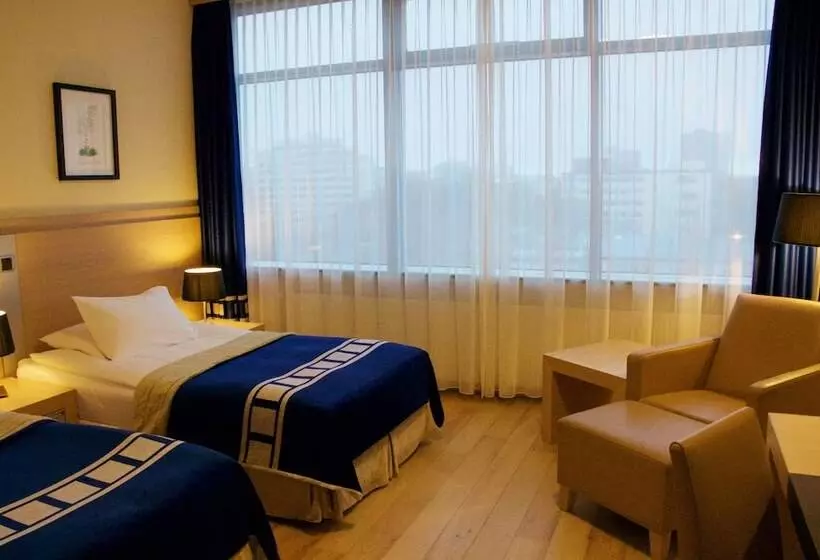

Things to Do
Whether you're looking for a beach getaway or city break, Iceland has something to offer every discerning traveller
In Iceland, you can explore the Golden Circle route, visit the stunning Gullfoss waterfall, relax in the Blue Lagoon, hike on glaciers, and enjoy whale watching tours. Don't miss the chance to see the Northern Lights in winter or the Midnight Sun in summer. Visit the charming capital city of Reykjavik, where you can explore museums, galleries, and local cuisine. Adventurous activities like snowmobiling, ice climbing, and geothermal hikes are also popular. The diverse wildlife, including puffins and seals, adds to the experience, making Iceland a must-visit destination for nature enthusiasts.
Frequently Asked Questions
What currency is used in Iceland?
The currency used in Iceland is the Icelandic Króna, which is abbreviated as ISK.
What language is spoken in Iceland?
Icelandic is the official language, with English widely spoken, especially in urban areas.
What’s the best way to travel around Iceland?
The best ways to travel to Iceland include flying into Keflavik International Airport, which has numerous international connections.
Is Iceland religious?
The predominant religion in Iceland is Lutheran Christianity, with a small percentage practicing other faiths.
When is the best time of year to visit Iceland?
The best time to visit Iceland is during the summer months from June to August when the weather is milder, and the days are long, providing ample daylight for exploration. This period also offers a chance to experience the vibrant culture and numerous festivals. However, visiting in winter can provide a magical experience with the Northern Lights and unique winter activities, though the days are shorter and the weather can be quite harsh. Each season offers its own charm, so consider what you want to experience when planning your trip.
Is Iceland a cheap holiday?
Iceland is generally considered an expensive destination due to high living costs.
What is Iceland best known for?
Iceland is best known for its stunning natural landscapes, including the Blue Lagoon, geysers, waterfalls, and the Northern Lights. The country's unique geological features, such as volcanic craters and geothermal activity, attract tourists from around the world. Additionally, its rich Norse history and vibrant culture, including literature and music, contribute to its fame. The capital city, Reykjavik, is known for its colorful buildings, lively arts scene, and as a gateway to explore the country's natural wonders. Iceland's commitment to sustainability and eco-friendly tourism practices also sets it apart as a destination.
How many days should you spend in Iceland?
It is recommended to spend at least 5 to 7 days in Iceland to fully explore its diverse landscapes and attractions.
Similar Destinations
If you like Iceland, you'll love these